
This post may contain affiliate links. Please read my disclosure and privacy policy.
Have you ever felt exhausted after a big lunch?
One reason you may feel that way is that digestion takes energy. According to the Mayo Clinic, approximately 10% of the calories we consume are used for digestion and nutrient absorption. (source)
It stands to reason, then, that the best way to free up some extra energy is to make our digestion as quick and efficient as possible.
That’s where food combining comes in.
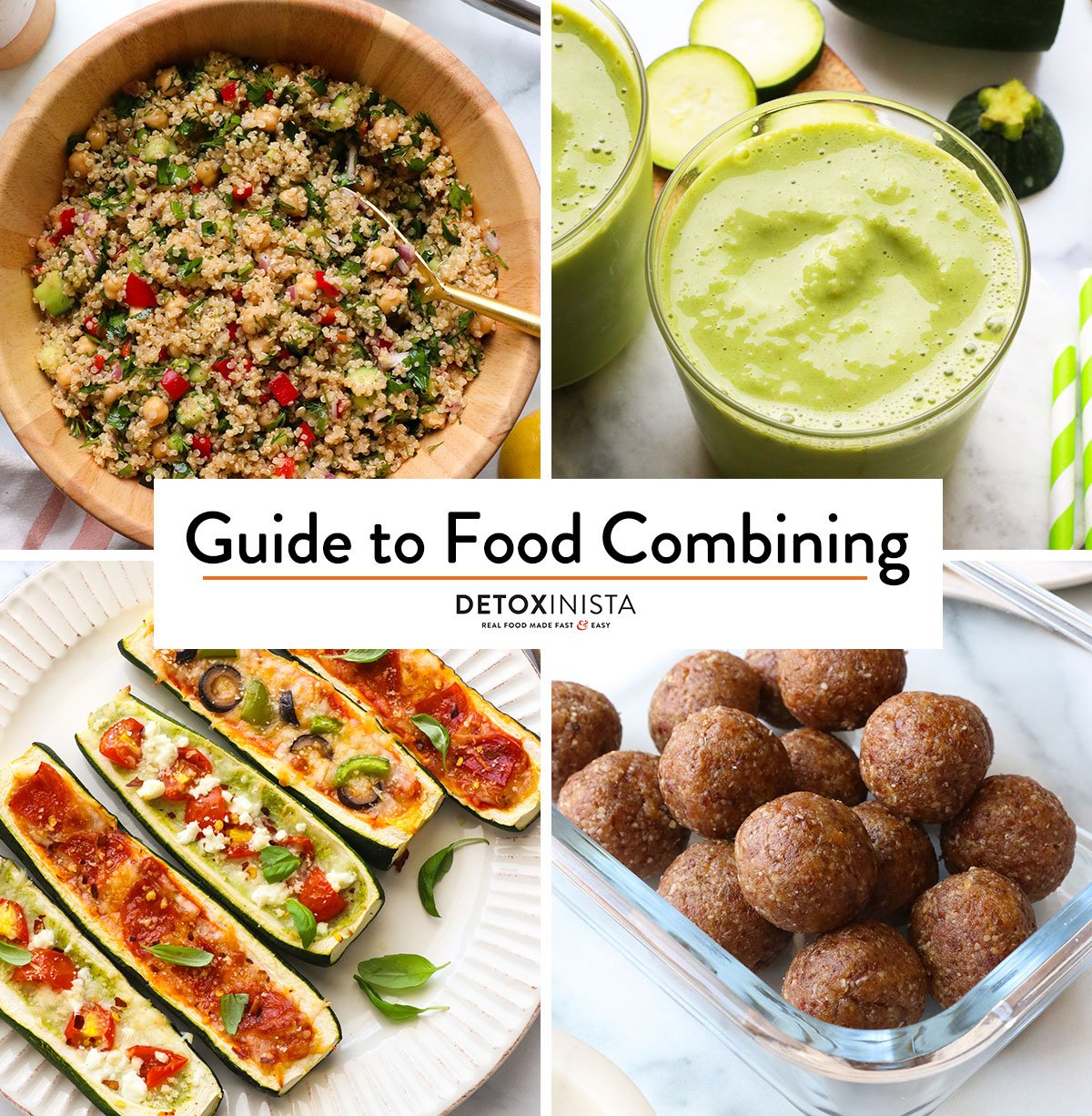
I was introduced to the concept of food combining while reading The Raw Food Detox Diet. The general idea is that you can ease digestion by not eating too many dense foods all at the same meal.
Instead, you’ll pick one category—such as animal protein, for example—then fill the rest of your plate with raw or cooked non-starchy vegetables, like a green salad and roasted cauliflower.
By simplifying your meals, your digestive system doesn’t have to tackle too much in one sitting, helping you avoid the bloated, sluggish feeling that can put a damper on the rest of your day.
The Science Behind Food Combining
There isn’t a lot of research behind food combining, so much of what you’ll read is anecdotal. (Read the comments below if you’re curious!)
Here’s some supporting research I’ve found:
- One study has shown that humans tend to overeat when offered a wide variety of foods during a meal. (source) By simplifying our meals, we will naturally eat less, without needing to count calories or worry about portion sizes. This might be why people see success in weight loss when following food combining principles.
- One study suggests that primarily eating protein at lunch and then mostly carbohydrates at dinner could have a positive impact on diet-induced thermogenesis (the number of calories burned from digestion) and glucose levels. (source) In this study, eating primarily carbs at lunch and then protein at dinner had a negative impact on glucose, so this may suggest that timing matters when you choose a food category.
- We know that the body releases different enzymes to digest carbohydrates vs proteins. (source) It stands to reason that if you eat primarily from one category, fewer enzymes will need to be released, thereby easing the digestive process.
If nothing else, food combining simplifies your meal choices and encourages you to fill your plate with vegetables. I think many people enjoy it because it makes you mindful of your meals, without cutting out entire food groups the way a low-carb diet or keto diet does.
Food Combining Categories
Food combining principles vary from expert to expert, so I’ll share a simplified version, as it’s a good starting point.
Here are the main categories to choose from:
- Fresh fruit. Most food combining plans recommend eating fresh fruit on an empty stomach, usually in the morning. This is because it digests quickly, so you don’t want it to be slowed down by other foods.
- Starches. This category includes winter squash, sweet potatoes, avocados, beans, lentils, and all grains, including oatmeal, rice, quinoa, and buckwheat.
- Protein. This category primarily includes animal protein, such as eggs, dairy, meat, and fish, as well as tofu, which is a rich source of protein.
- Nuts, Seeds + Dried Fruit. This category includes all nuts and seeds, as well as dried fruits like raisins and dates. Some suggest that bananas can be enjoyed with nuts, since they are slower to digest than other fresh fruit.
You can pair any of the above categories with non-starchy vegetables, like carrots, cauliflower, zucchini, or broccoli. A good way to determine if a vegetable is non-starchy is to see if it can be consumed raw. You can eat lettuce, beets, and green beans raw, so you know they are non-starchy, even if you do decide to cook them.
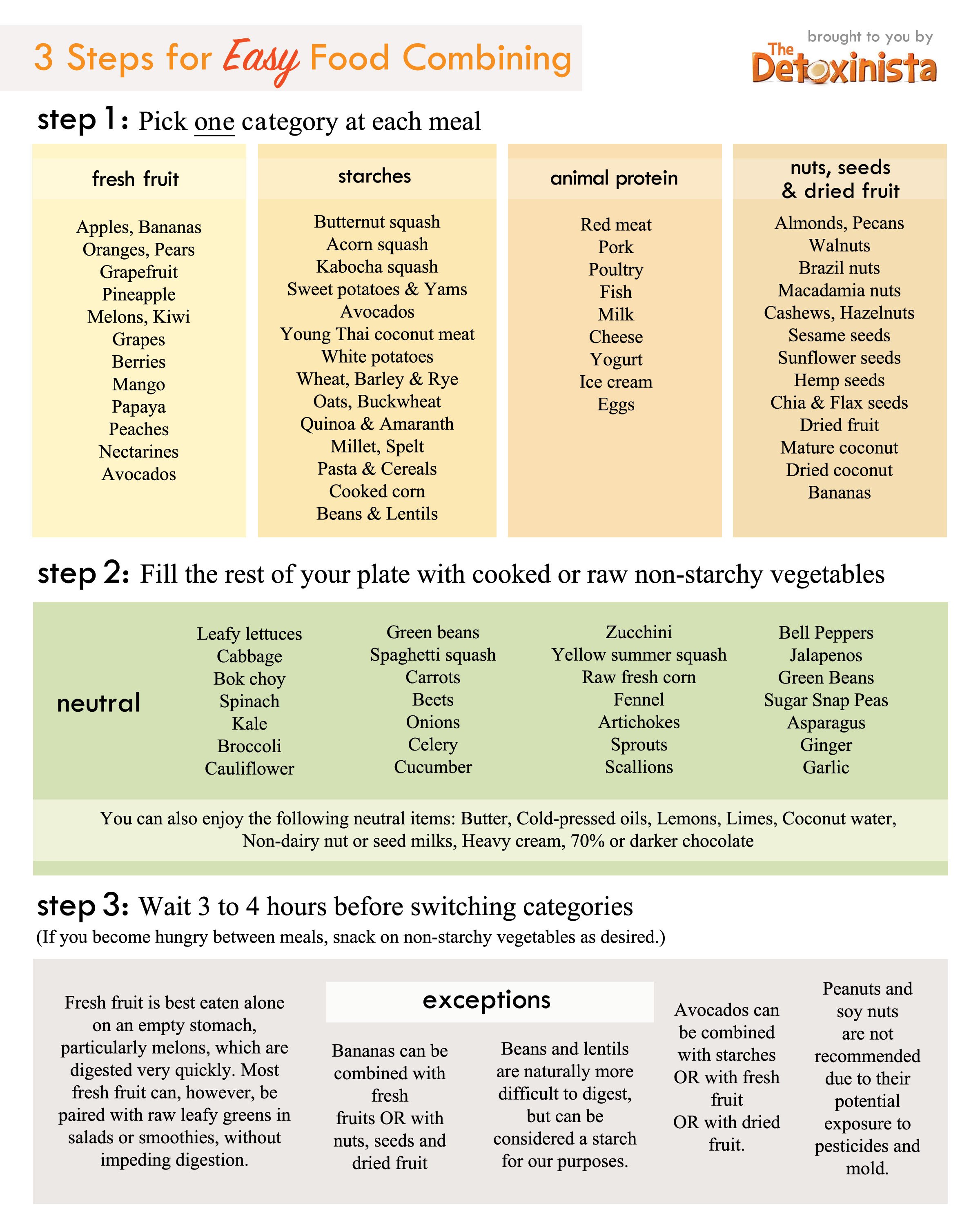
I’ve created a handy chart below to help you easily prepare a properly combined meal. Feel free to print it off and stick it on your fridge if you want to give this a try.
(click on chart below to enlarge or print)
How to Create a Properly Combined Meal
For a properly combined meal, choose ONE category and only eat foods out of that category for that particular meal. The foods listed within the same category combine well with each other, and you may also include anything from the “Neutral” column to fill out your plate.
Wait 3-4 hours between each meal, before switching categories.
Starch Meal Examples
- Veggie Sandwich. Start with whole-grain bread filled with avocado, mustard, lettuce, tomato, and sprouts. Serve with a leafy side salad and a baked sweet potato topped with butter. You could follow this meal with some dark chocolate for dessert!
- Pasta with Vegetables. Use whole-grain pasta or gluten-free pasta, tossed with sautéed vegetables and olive oil.
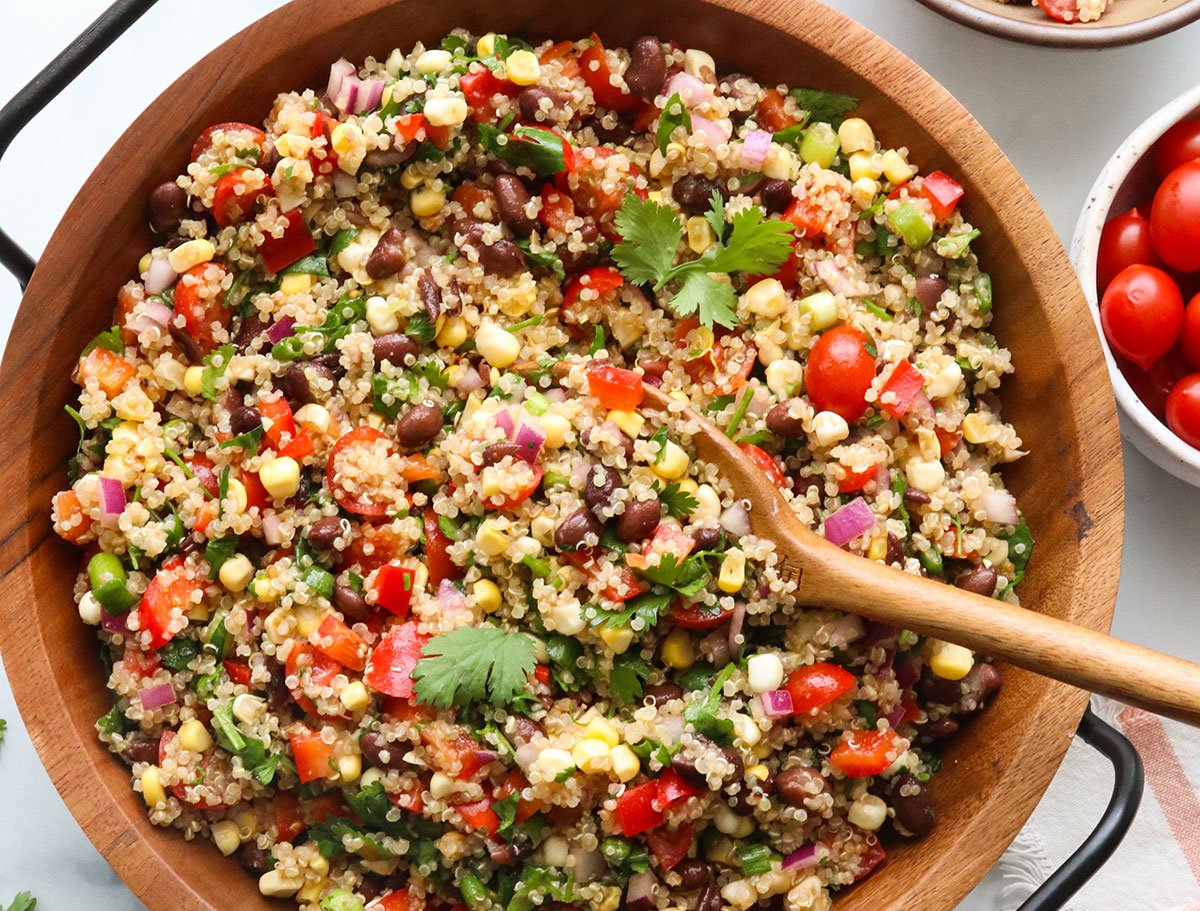
- Quinoa Salad. Any grain-based salad topped with beans, veggies, and avocado will work. Try my Quinoa Black Bean Salad or Quinoa Chickpea Salad for properly combined recipes.
- Baked Potatoes. Sweet potatoes or white potatoes topped with veggie chili would be a hearty option.
- Soup. Hearty vegetarian soups, like Lentil Soup or Black Bean Soup, are easy options.
Want to save this for later?
Animal Protein Meal Examples
- Meat and Fish Entrees. Serve baked chicken breasts or the best baked salmon over a large, leafy green salad, or with a side of roasted cauliflower or broccoli.
- Veggie Pizza Crusts. Try my cauliflower pizza crust or zucchini pizza boats topped with cheese and your favorite toppings.
- Spiralized or Shredded Pasta Alternatives. Instead of pasta, try sautéed cabbage, a bed of steamed cauliflower, or zucchini noodles with your favorite meatballs or meat-based spaghetti sauce on top. You can add Parmesan cheese on top to make it ultra-comforting.
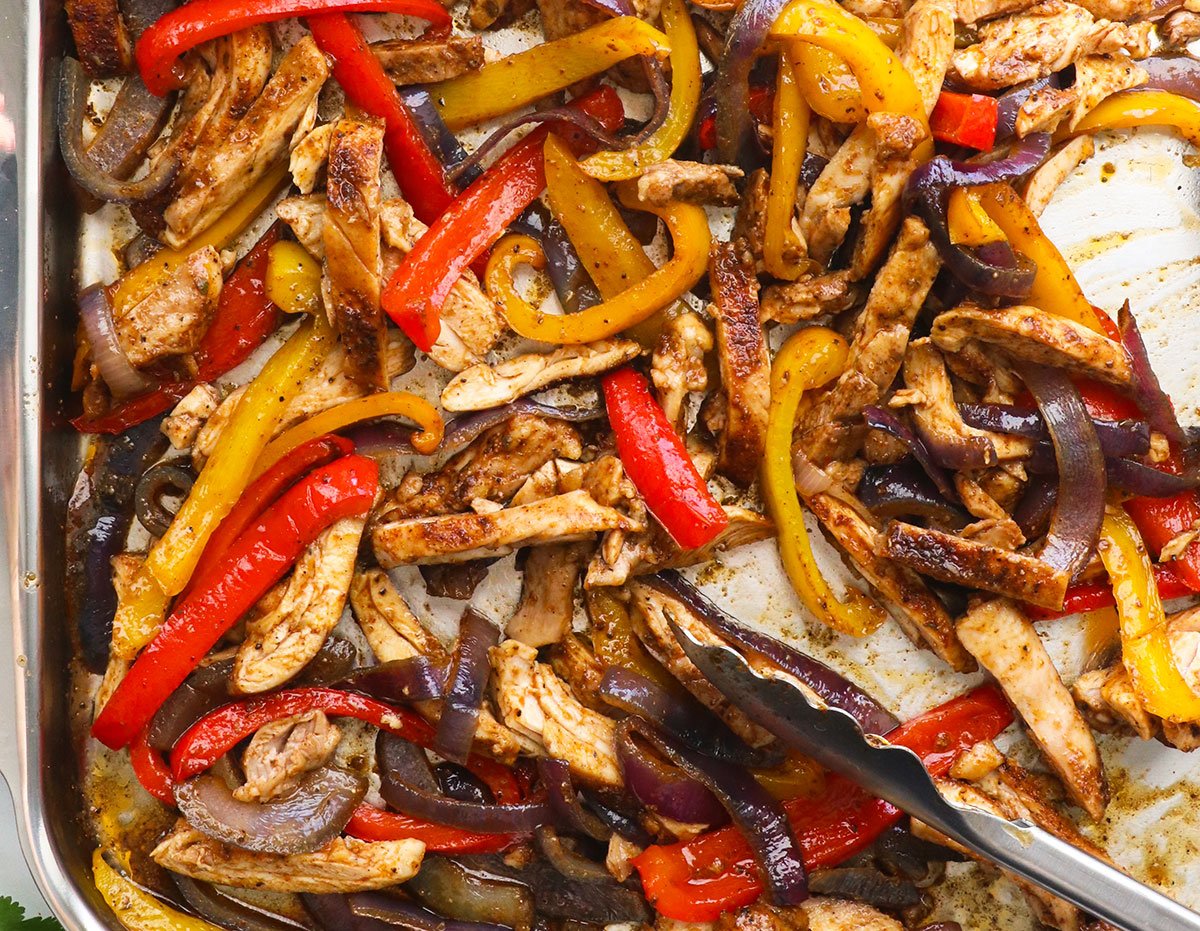
- Lettuce Wrap “Tortillas.” Your favorite tacos and chicken fajitas can be served in a lettuce wrap or over a salad, allowing you to enjoy your favorite comfort food flavors without the sluggish digestion that often follows.
Nut, Seed + Dried Fruit Examples
- Salad with Nuts. For a main course, try a large leafy green salad topped with dried cranberries and raw walnuts, along with plenty of extra non-starchy vegetables for added texture. I also love a shredded carrot salad with raisins and nuts, or tahini dressing for a creamy salad.
- Bean-Free Hummus. Try my zucchini hummus served with sliced veggies as an appetizer for a nut-based meal.
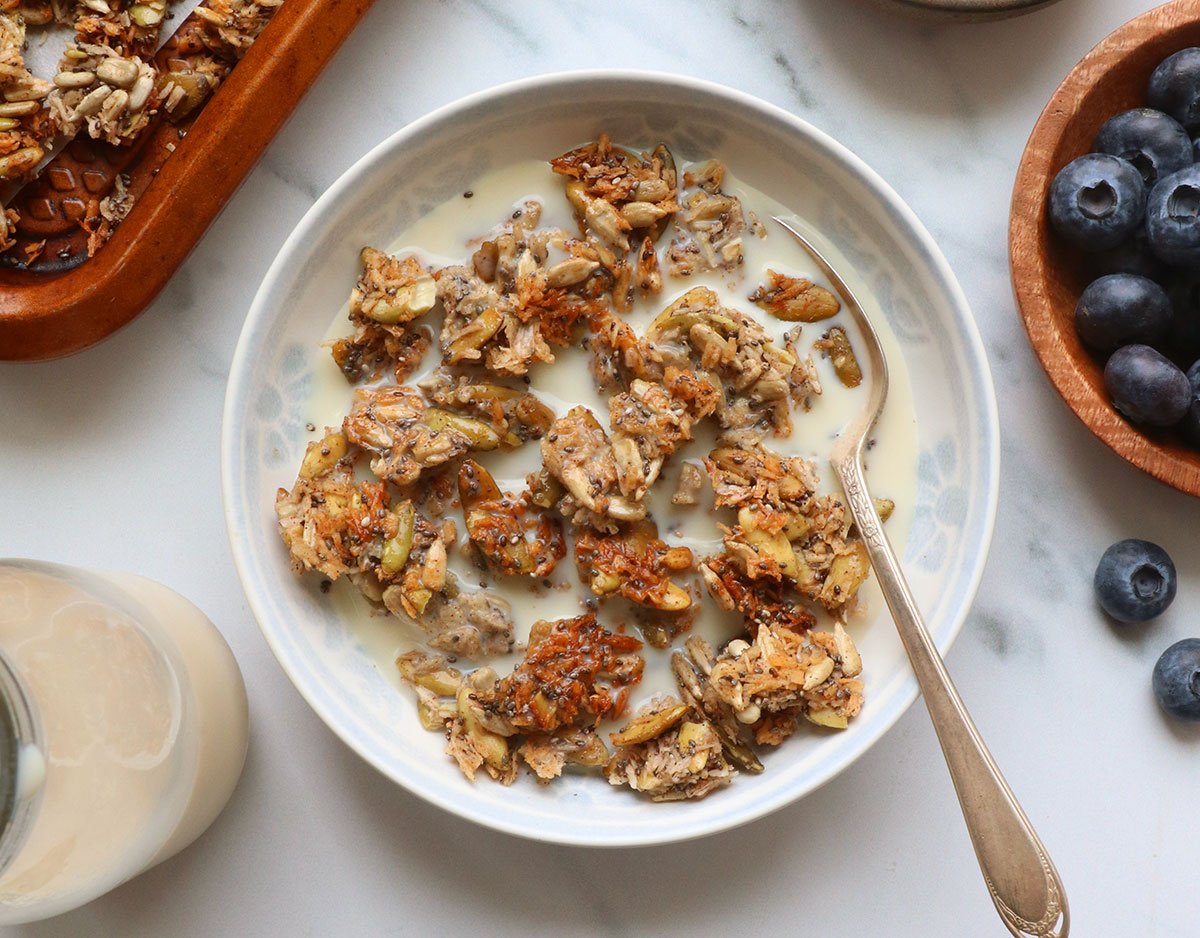
- Grain-Free Breakfast Cereal. Start your morning with a bowl of Paleo Granola topped with almond milk. (Sliced banana could be added on top, too.)
- Nut-Based Desserts. Try a slice of raw cheesecake or a coconut macaroon after your nut-based meal.
Fresh Fruit Examples
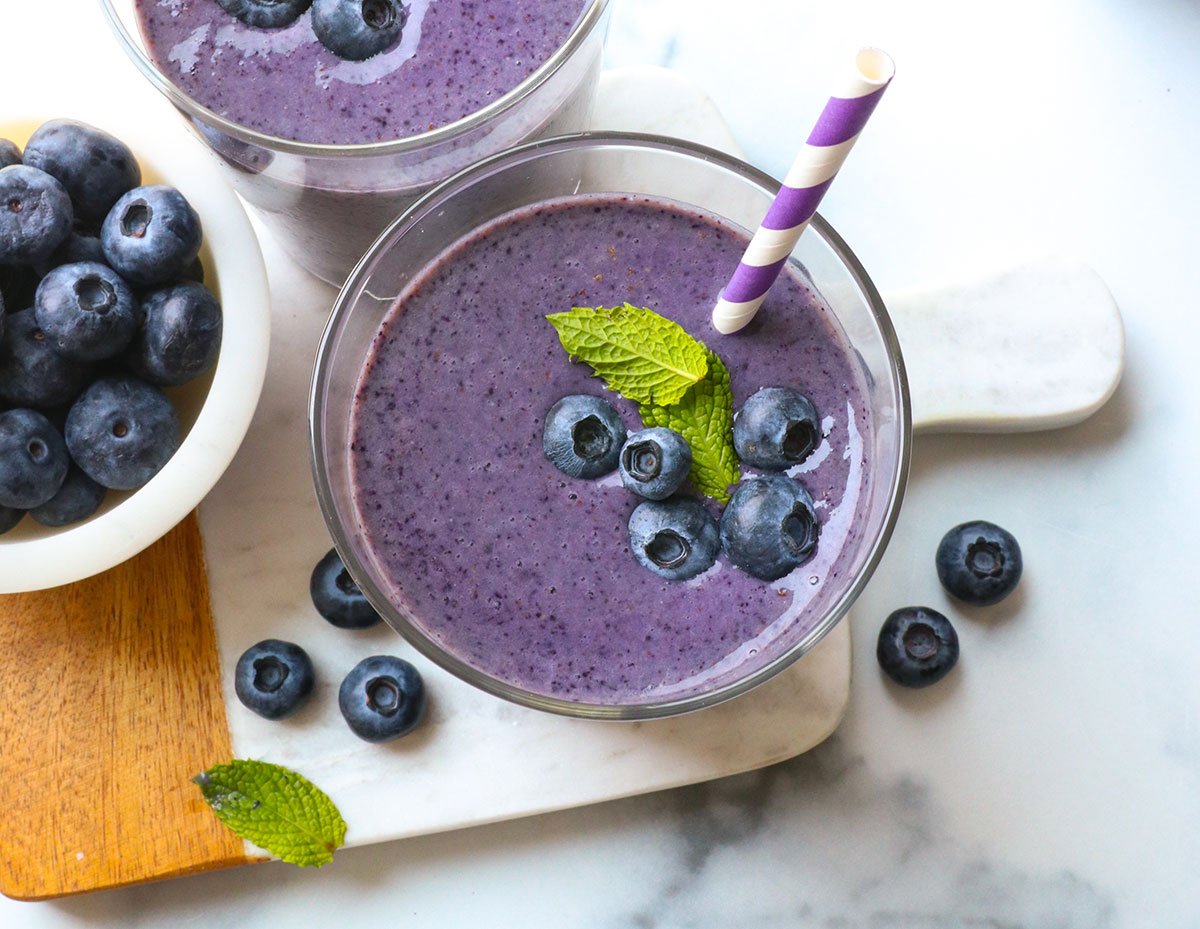
Fruit is often eaten alone because it digests so fast. However, it can be combined with other fruits and leafy greens in a smoothie made with your favorite non-dairy milk.
Fruit is generally not recommended as a dessert after a meal, as it may potentially cause fermentation and bloating. You can eat it as an afternoon snack or post-workout, provided it’s been at least 3-4 hours since your last properly combined meal.
Here are some sample smoothies that are properly combined:
- Dragon Fruit Smoothie
- Pineapple Banana Smoothie
- Spinach Smoothie (Bananas can be mixed with nuts)
- Zucchini Smoothie
Food Combining Cookbooks
Food combining helped me eat more real foods regularly, without restricting food groups. I could eat anything I wanted, just not necessarily all at once. It was such a game-changer for me that I went on to publish two cookbooks based on these principles.
- Everyday Detox. This is my first cookbook with 100 properly combined recipes. It includes properly combined sample meal ideas, as well as entertaining menus, in case you want to make a themed night out of your meal.
- No Excuses Detox. This book includes three additional sample meal plans, including a Budget-Friendly option and a Speedy Meal plan that has everything ready in 30 minutes or less. This book features 100 different recipes, ensuring you’ll never run out of food-combining options.
Once you’ve mastered the concept of food combining, you can use it as a tool anytime you feel the need to reduce bloating or want to feel more energized.
Shop my Cookbooks
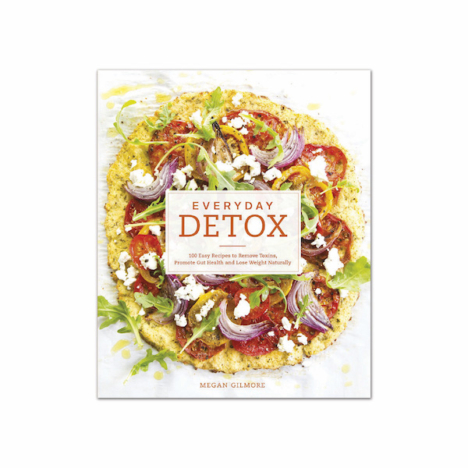
Everyday Detox Cookbook
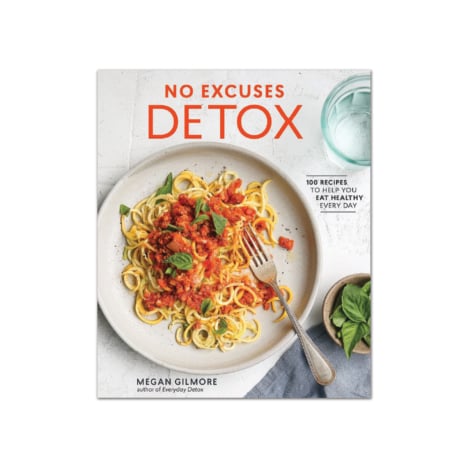
No Excuses Detox Cookbook
If you try food combining, I’d love to hear how it goes for you! Please leave a comment below to continue the discussion.







Hi!
Which group do oils fits into? I’m under the impression you eat them with fat and vegetables. Can you please clarify? Thanks!
I’ve always been taught that oil is considered neutral since we use such a small amount in most meals. There are far more complicated food combining rules out there, though! I prefer to make it as simplified as possible to prevent any feelings of overwhelm.
Hello,
I bought your cookbook fresh and healthy instant pot but the receipts are for 6qt and I have a 3qt. How should I adjust the recipes?
Thank you
I would cut the recipes in half if you think they will fill the pot more than halfway full– especially for soup recipes. The cooking time shouldn’t change too much, but you might need to add an additional minute or two, since the smaller pot should pressurize faster (and de-pressurize faster) than a 6-quart pot.
Thanks for the reply. If it’s a smaller pot and less ingredients wouldn’t I subtract a minute or two instead of adding?
The main reasoning for adding time is that it typically takes a 6-quart pot about 10 minutes to pressurize. (Or more, depending on the amount of liquid.) I think the 3-quart pot might pressurize in only 5 minutes, since it’s smaller, so you’re already reducing the cooking time by 5 minutes just by using the smaller pot. But, it will be something you can experiment with, and you can always return the lid to the pot and cook for another minute if you need to. Or use the saute button and continue cooking with the lid off, until your recipe is done!
What about white rice?
Dried fruit is the same as fruit and digests very quickly. On the other hand, nuts are fat and protein using different digestive enzymes and taking much longer to digest. So, I don’t understand how they can be together in the same category on your chart.
Where do oils fit in all of this? Particularly Olive Oil..
And cooked versus uncooked veggies?
Finally soups….Homemade soups
Thank you! This is amazing info. And I learned a lot more about the instant pot cooking here than anywhere else.
I’m going to get your Everyday Detox and the 5-Day Summer Reset. I have a quick question about smoothies. Is putting protein powder and collagen into your fruit smoothie a no no?
Since smoothies are already “chewed” for you by the blender, I find them much easier to digest– so I think adding something like a scoop of collagen powder should be fine, as long as it agrees with your digestion!
To the ‘Detoxinita’ of this blog:I’m totally confused by the above sample meal menu’s; some seem to contradict the information given here about food combinations to use. Please explain so I can understand better. If you post it online, I’d also appreciation receiving an email copy so I’m sure to see it. Thank you!
For example, Meal #3–: A nut/seed Meal–aren’t nuts and seeds considered fatty proteins?And hummus includes chickpeas–aren’t these a ‘starchy bean’? I thought protein isn’t supposed to be combined with starches? Please explain.
Another question: I don’t see a separate category in your charts for “Fats”. Are you sayng that any fat can combine with any other food from any other chart category?
One more question: what could protein powder made from seeds combine OK with? or no?(i.e. hemp, chia, pumpkin or flax seeds?)
–or bovine-based collagen petitdes protein powder?
–Or protein powder made from peas: is that still considered a protein, or a vegetable?
Thanks so much, my brain is perhaps missing something and is stressed trying to figure this out.
Hi Barbara! In that example of Meal #3, the zucchini hummus mentioned does NOT include chickpeas. The recipe uses zucchini instead, to keep the hummus properly combined.
Also, food combining is just one tool that you can try. If it’s stressing you out, please don’t do it! It came to me at a time when I was calorie counting and stressing about every little bite, so this felt like “freedom” to me, but if it doesn’t feel that way to you, you might want to look into something like intuitive eating, instead. (Food combining sort of led me to intuitive eating eventually, anyway.)
I don’t think protein powders were something taken into consideration with food combining, because the focus is on simple real foods, but I use hemp hearts as added protein in a banana & spinach smoothie. Since smoothies are sort of pre-digested (since the blender does the chewing for you) I think you could add collagen or protein powder, as you like.
Hello! Very interesting, I had never read about food combining. Where would tofu be placed? In the “starch” category since it’s made from sybeans? I can’t imagine not ever eating tofu again!!! Thanks in advance.
What combines with mature fresh coconut meat? Would it fall under the same rules as dried coconut??