

This post may contain affiliate links. Please read my disclosure and privacy policy.

When I first discovered food combining, over 20 years ago, it felt life-changing. So much so that I went on to publish two cookbooks on the topic. (Check out Everyday Detox or No Excuses Detox if you enjoy flipping through a physical cookbook with menus and meal ideas.)
If you want to try food combining yourself but feel confused about what or when you can eat, I thought it might be helpful to share some properly combined recipes on my website. These are labeled by category below to help make browsing easier.
Keep in mind that food combining is a general set of guidelines, but it will vary from person to person. The idea is that you’ll streamline your digestion and feel less bloated by simplifying your meals. (According to this research study, having less variety on your plate also leads to weight loss.)
How to Practice Food Combining
The general idea of food combining is that you’ll eat only one food category at each meal, along with plenty of fresh, low-carb vegetables.
The four main categories in food combining are:
- Fresh Fruit
- Animal Protein
- Starches
- Nuts/Seeds/Dried Fruit
You can find a printable food combining chart here to help, or choose a meal from one of the categories below.
Ideally, you’d wait 3 to 4 hours between meals, allowing the foods to fully digest before you switch to a different category at your next meal.
If you feel the need for a snack between, choose fresh sliced veggies, such as carrots, celery, cauliflower, or broccoli florets, for an easy “neutral” option. Or, you can stick to the same category of food for two meals in a row, and snack from that category, too. (For example, you might have an Almond Butter Smoothie for breakfast, a Date Energy Ball as a mid-morning snack, and a large salad tossed with tahini dressing for lunch, which would all fall into the nut/seed/dried fruit category.)
Fresh Fruit Meal Ideas
The following recipes fall into the “fresh fruit” category.
- Dragon Fruit Smoothie
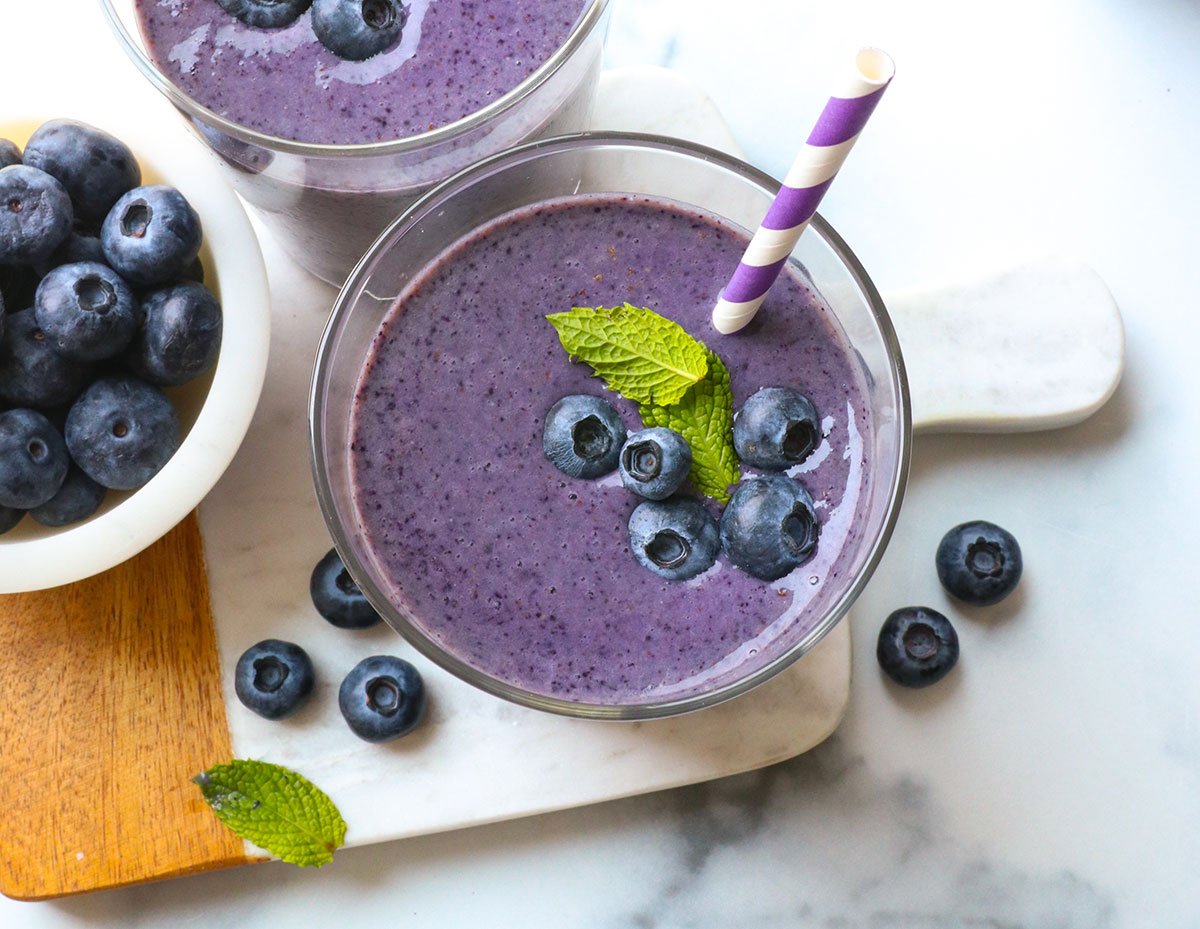
- Blueberry Detox Smoothie
- Low-Sugar Smoothies
- Cherry Chocolate Smoothie
- Strawberry Mango Smoothie
- Acai Smoothie
- My Go-To Smoothie for Kids
- Cherry Chocolate Avocado Pudding
- Kale Salad with Peach Vinaigrette
Nut/Seed/Dried Fruit Meal Ideas
The following recipes fall into the nut/seed/dried fruit category. Fresh or frozen bananas can also fall into this category, as they digest a little more slowly than other fruits.
- Date Energy Balls
- Coffee Smoothie (using hemp hearts for protein)
- Chocolate Chia Pudding
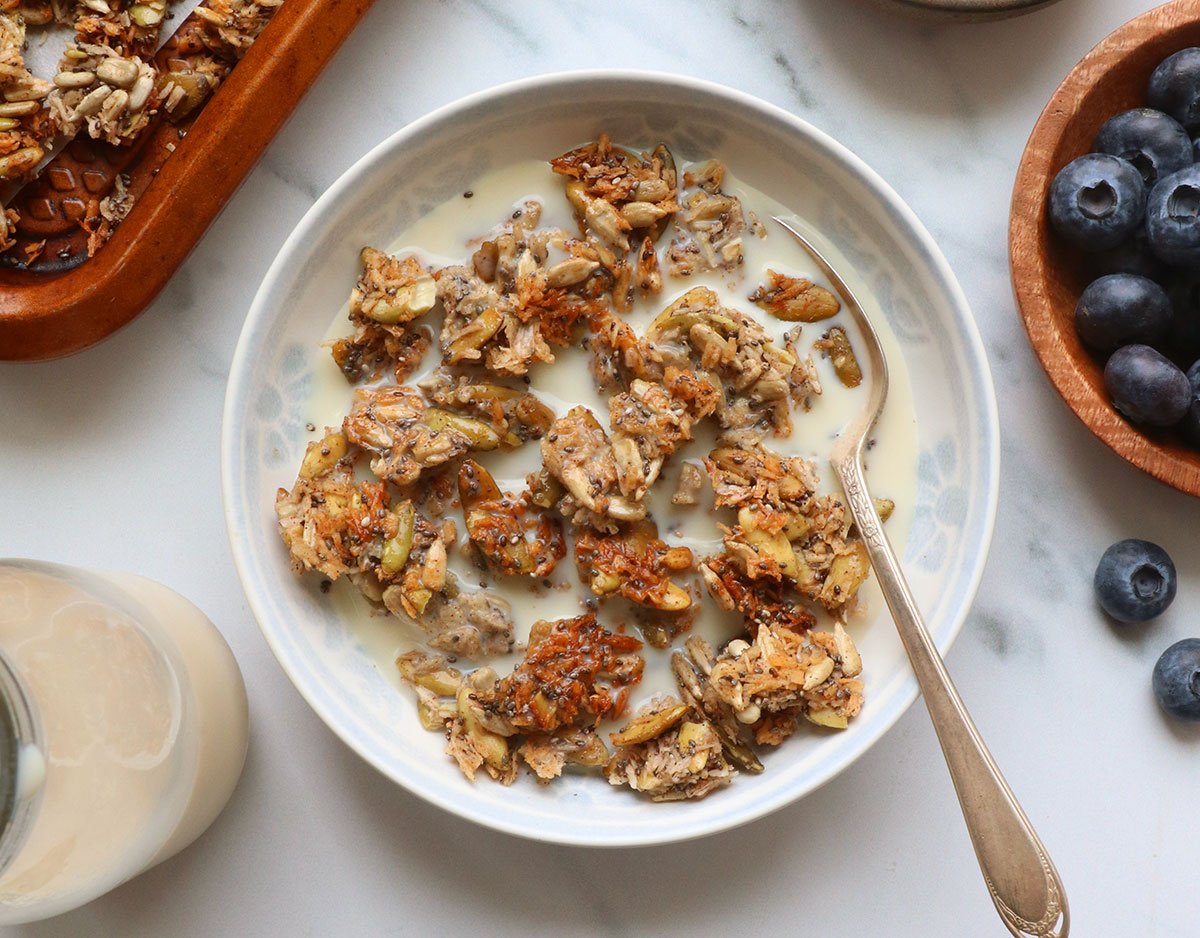
- Paleo Granola (serve with almond milk and sliced banana)
- Vegan Ranch Dressing
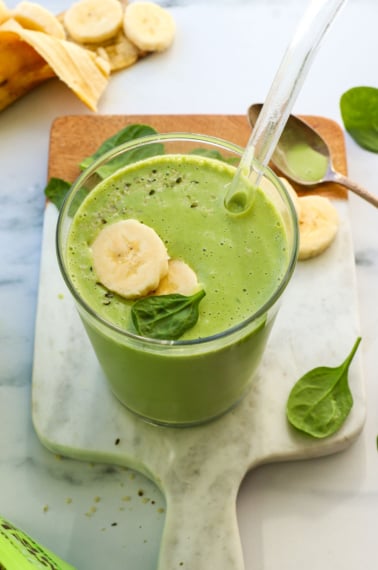
- Almond Butter & Spinach Smoothie
- Kale Caesar Salad (without the chickpeas)
- Creamy Tahini Dressing
- Cashew Queso (served with raw veggies)
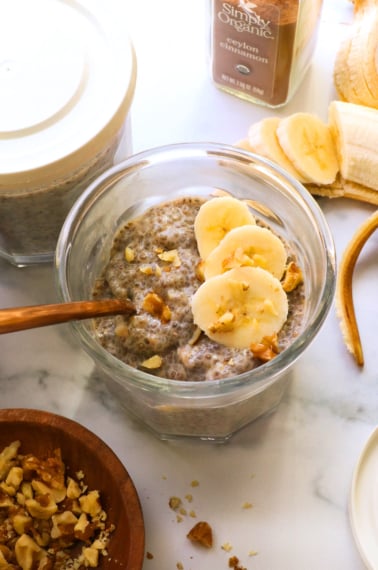
- Chia Pudding (topped with sliced banana)
- Zucchini Hummus
- Dairy-Free Cashew Cheesecake
- Creamy Cucumber Tahini Dressing
- Almond Butter Freezer Fudge
Starch Meal Ideas
These all fit into the starch category and would pair well with a green side salad.
- Zucchini Oatmeal (a great warm breakfast option!)
- Sweet Potato Toast (topped with avocado or white bean spread)
- Lentil, Kale & Quinoa Stew
- Sweet Potato Lasagna
- Vegan Cheese Sauce
- Avocado Caesar Salad
- Vegan Chickpea Salad
- Chipotle Black Bean Burrito Bowls
- Vegan Sweet Potato Nachos
- Chickpea Salad Sandwich
- Sweet Potato & Quinoa Mason Jar Salads
- Vegan Burrito Bowls with Sweet Potato “Rice”
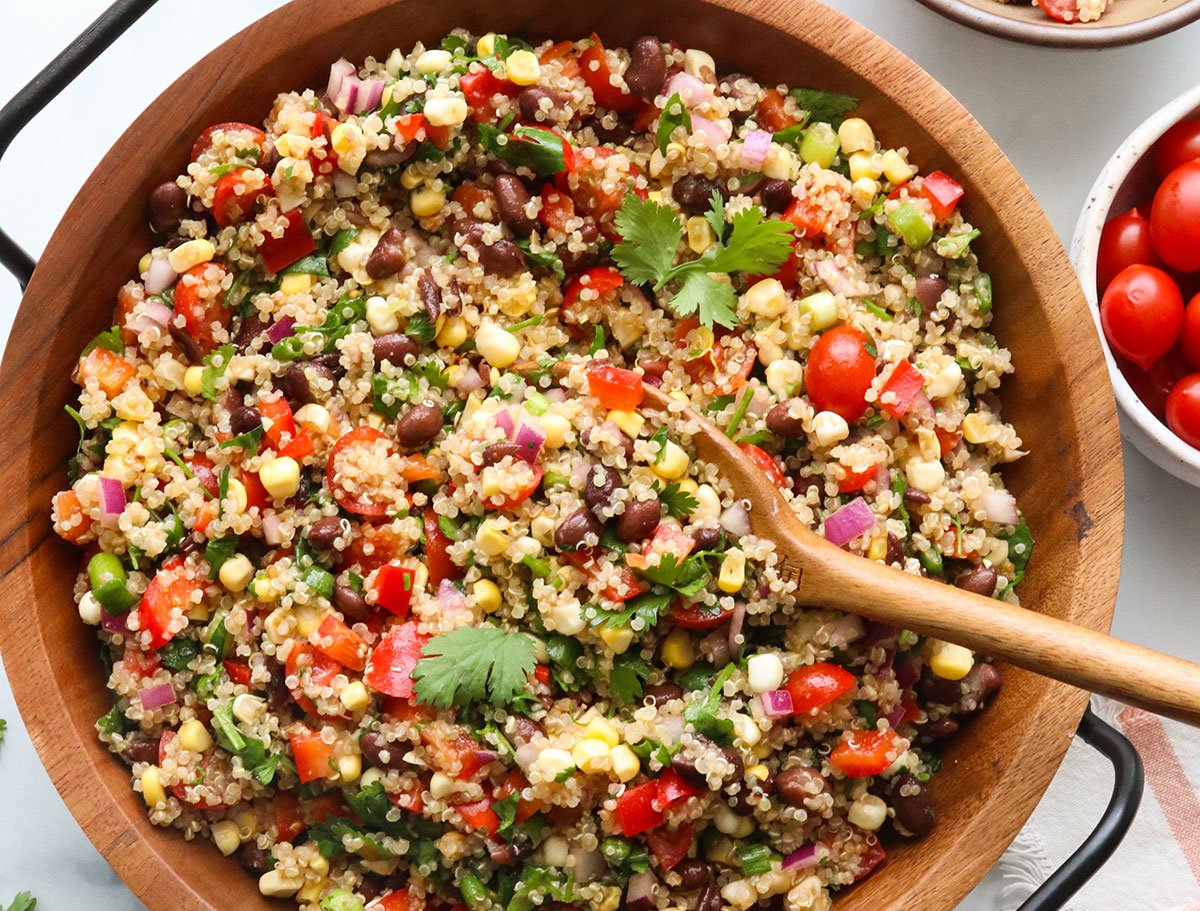
- Quinoa & Black Bean Salad
- Chickpea Tikka Masala with Green Rice
- Sweet Potato Noodle Casserole with Pumpkin Sauce
- Easy Lentil, Sweet Potato, and Coconut Curry
- Sweet Potato Mac n’ Cheese
- Instant Pot Quinoa Burrito Bowls
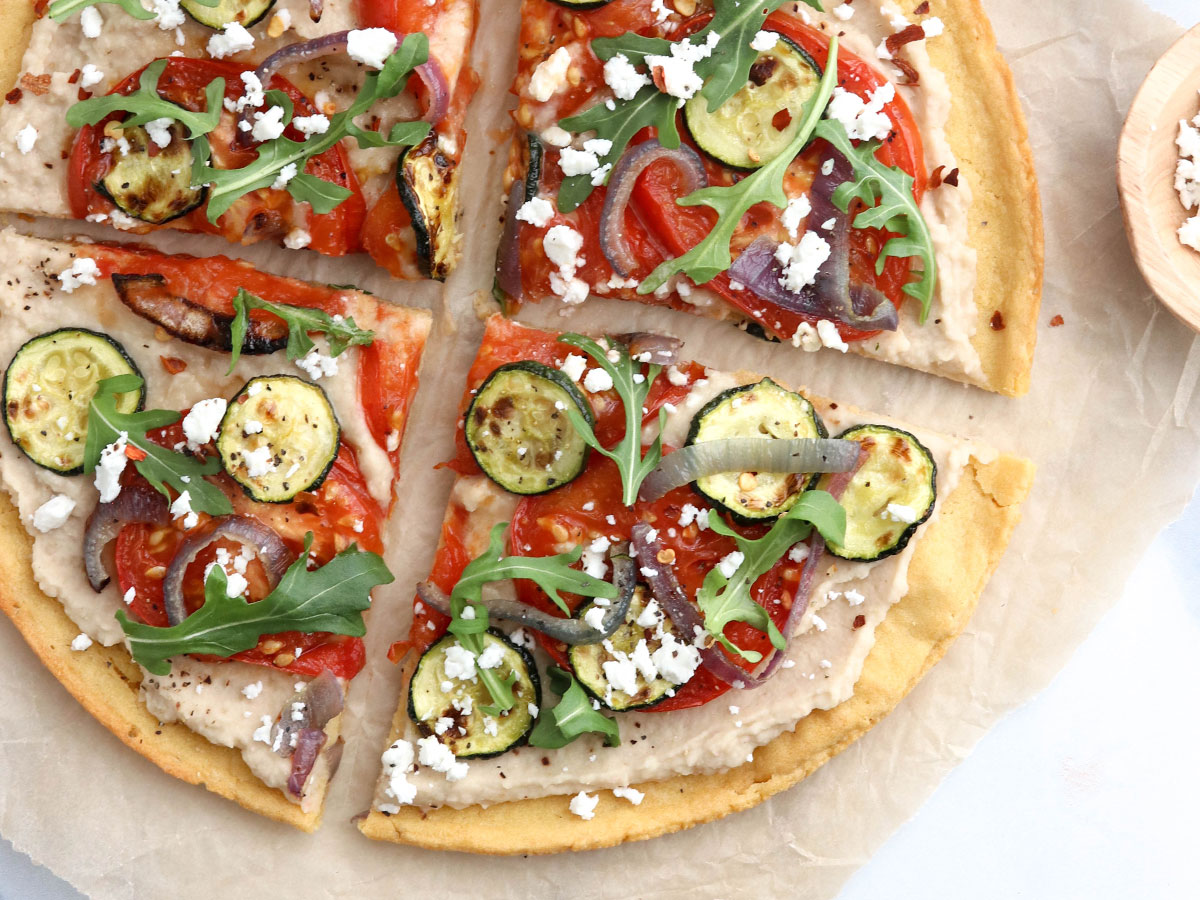
- Mediterranean Socca Flatbread Pizza
Animal Protein Meal Ideas
These recipes fall into the animal protein category and pair well with a leafy green salad.
- Cauliflower Pizza Crust
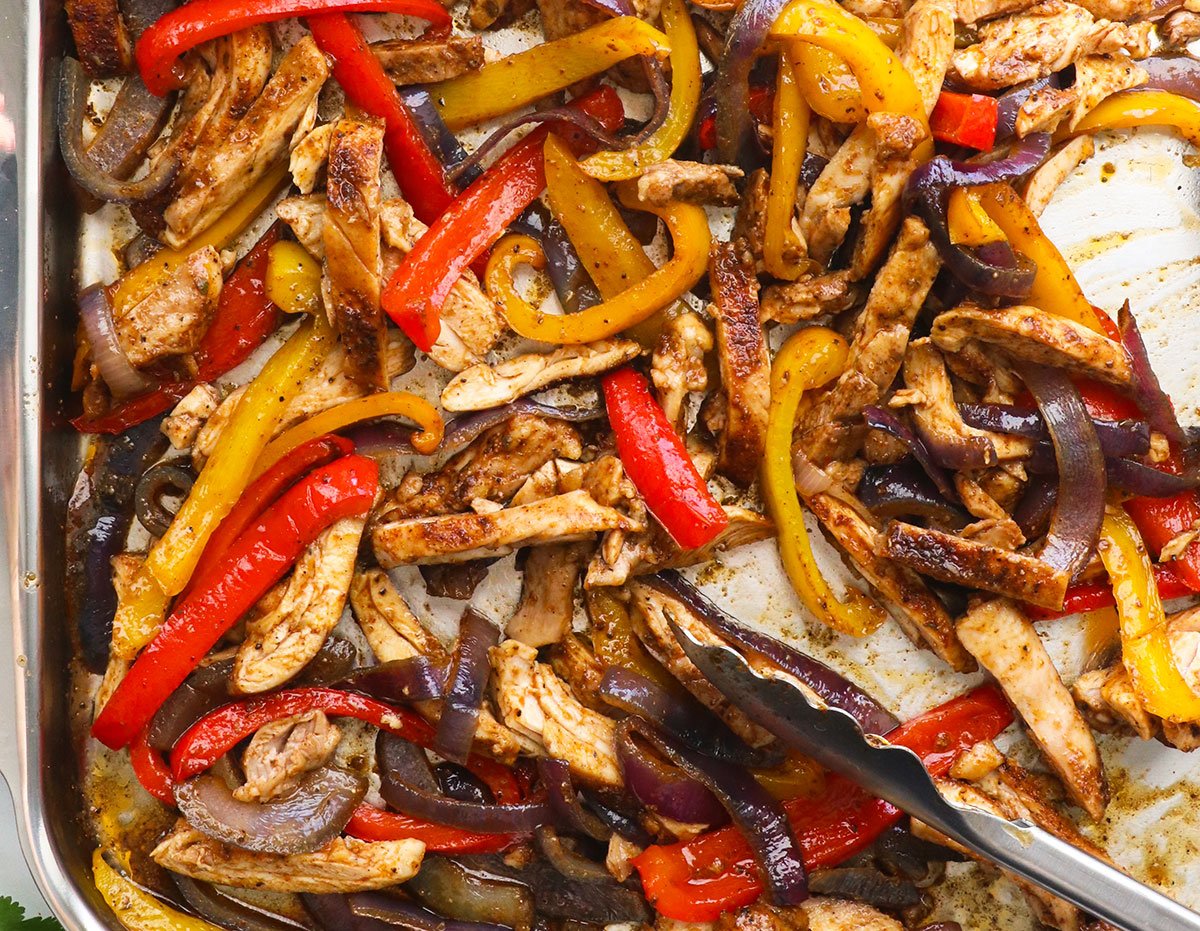
- Sheet Pan Chicken Fajitas
- Healthy Chicken Burgers
- Ground Beef and Broccoli
- Instant Pot Chicken Burrito Bowls
- Pizza Stir Fry
- Baked Chicken Breasts
- Perfect Baked Salmon
- Chicken & Vegetable Soup
- Cauliflower “Steak” Pizzas
- Crustless Quiche
- Zucchini Pizza Boats
- Egg Roll in a Bowl
- Instant Pot Hard-Boiled Eggs
- Flourless Zucchini Pie
- Leftover Turkey Soup
- Breakfast Egg Muffins
- Eggplant & Goat Cheese Lasagna
- Mexican Chicken Soup
I hope you’ll enjoy these properly combined recipes soon! I’d love to hear which ones you try in the comments below.
Note: Most of the recipes on my website are not properly combined. My #1 priority is to help people build a healthy relationship with food, and I think the easiest way to do that is to find comforting recipes made with healthier ingredients. No complicated rules are required! However, if you already have a healthy foundation, food combining can be a tool that may help you feel even better.







I have found that food combining really works for me when everything else doesn’t. This is so helpful. I am confused by what I can combine coconut milk with?
i learned a lot, thanks for creating this post!
Hi! So is almond butter considered it’s own category? Can you combine it with a starch or protein?
Thank you!
what food groups can i combine with soy free vegan cheese ? Ty!
I would look at the ingredients to determine that. If you’re using a small amount, I wouldn’t worry about how it combines too much.
My husband and I have really enjoyed driving into this style of eating! I have a quick question though… is oatmilk considered to be in the neutral category like almond milk or is it considered a starch?
I would consider any liquid non-dairy milk to be neutral, since there’s practically no fiber involved. And I think it’s even easier to digest if you make it yourself, since you’ll avoid the added thickeners and preservatives.
The only thing that bothers me about ALL of your recipes is you don’t give what makes a “serving” . For someone like me, who counts fats, carbs and calories, that information is crucial for weight maintenance.
Maybe one day when I can hire an assistant I’ll be able to go back and measure all of my recipes for serving size. In the meantime, feel free to just portion out the recipes by the serving size indicated– so if a soup recipe makes 6 servings, you can just divide it into 6 containers and then you’ll know the nutrition AND you’ll have an easy meal prepped and ready to go!
So the nutrition information is for the entire recipe or for a serving?
Nutrition is per serving, based on the number of servings listed for the recipe. If the serving size is 1, then the nutrition listed is for the entire recipe.
I thought you were not supposed to mix sweet fruits with acidic? (There’s banana in the mango strawberry recipe?)
I don’t follow strict food combining rules like that, because I think I would drive myself crazy with over-thinking it. I’ve always just kept fresh fruit separate from things like starches and proteins.
When it comes to food combining, is collagen powder considered neutral or is it in the animal protein category?
I would love the answer to the above question-about collagen powder. Thanks!
Thank you so much for this helpful post! I started food combining thanks to you, and having all of these recipes broken down by category helps me meal plan better. I’m planning to make the Instant Pot Egg Bites and Cauliflower Pizza this week, because my family already loves those!
This post is hugely helpful! I notice a difference when I thoughtfully food combine but sometimes it is hard to put into practice. Putting recipes into certain categories like you did above is very helpful. Thank you very much! I am a OG follower of yours and your acknowledgement of food combining is one of the reasons I am still here 🙂